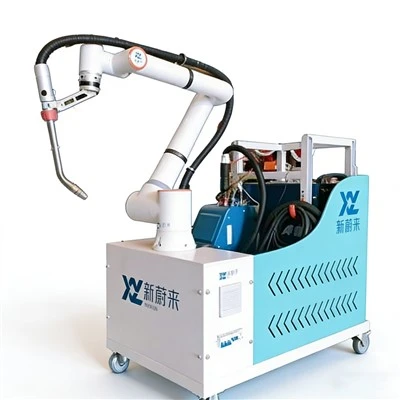

Proper storage is important for maintaining the condition of a Magnetic Welding Robot when it will remain unused for an extended period. After the equipment is taken out of service, it should not simply be left in the production area. Instead, it should be cleaned, inspected, and properly prepared before being placed in a suitable storage environment. This can help reduce the effects of dust, moisture, welding slag, and other external factors during long-term storage.
Before long-term storage, the robot should first be thoroughly cleaned. Welding processes can leave welding slag, metal dust, and other residues on the robot body, traveling mechanism, and magnetic attachment area. If these contaminants remain on the equipment for an extended period, they may affect subsequent operation. Therefore, dust and welding residues should be removed according to the actual condition of the robot, with particular attention given to the magnetic attachment area and locations where debris tends to accumulate.
After cleaning, the equipment should be given a basic inspection. Check the robot body for visible damage and inspect the magnetic attachment area, traveling mechanism, and welding mechanism for abnormal conditions. Any problems identified before storage should be addressed promptly rather than leaving the equipment with obvious faults for a long period. Existing problems may become more noticeable after prolonged storage and could increase the amount of inspection required before the robot is used again.

The storage environment is also very important. A Magnetic Welding Robot should preferably be stored indoors in a dry, clean, and well-ventilated area. Long-term exposure to rain, moisture, or high humidity should be avoided. Moisture in the air may cause corrosion on metal components, particularly when the equipment remains stationary for a long time. Therefore, moisture control should be given appropriate attention.
The robot should also be kept away from corrosive substances. Chemicals, corrosive liquids, and other materials that may release corrosive gases can affect the surface and metal components of the equipment. Therefore, the storage area should be located away from such substances whenever possible.
Impacts and excessive pressure should also be avoided during storage. The Magnetic Welding Robot should be placed in a stable position rather than being stacked with other heavy objects. Prolonged external pressure may affect certain moving mechanisms or connection points. Areas that are vulnerable to impact can be appropriately protected or isolated to reduce the possibility of collision during handling or movement of nearby equipment.
The magnetic attachment area should be kept clean during storage. Since the magnetic mechanism is an important part of the robot's operation, metal particles accumulated around this area may need to be removed before the robot is used again. Therefore, the magnetic attachment area should be checked both before storage and before the equipment is returned to service.
Overall, when a Magnetic Welding Robot is not used for a long period, proper cleaning, moisture protection, dust protection, impact prevention, and periodic inspection should be carried out. Choosing a suitable storage environment and keeping the equipment clean can help reduce the effects of long-term inactivity and help the robot maintain good operating condition when it is used again.