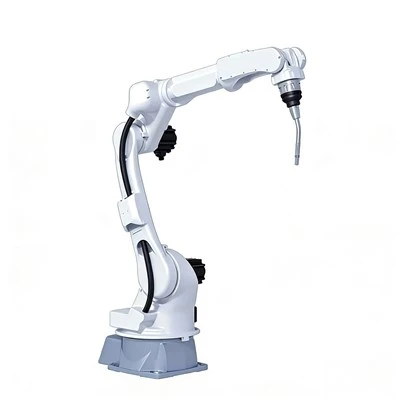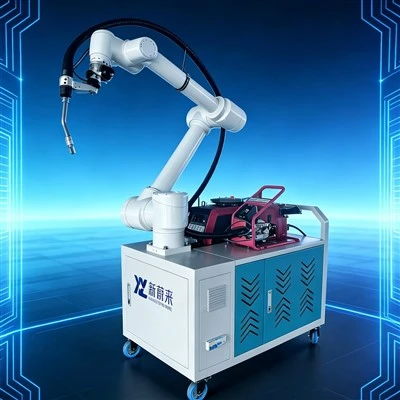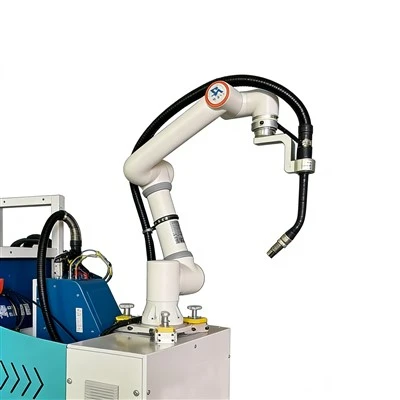

A welding power supply is a device in a welding machine used to supply the electrical energy required for welding and has electrical characteristics adapted to specific welding processes. Its core function is to provide controllable current and voltage output for stable arc combustion and the welding process.
A welding power supply refers to a device that provides current and voltage for welding and has output characteristics suitable for the welding method. Here are some examples of key parameters for a welding power supply:
1. Open Circuit Voltage: For example, 38–70V.
2. External Characteristics: Welding power supplies must have certain external characteristics for different welding methods. The relationship between steady-state output current and terminal voltage is called the external characteristics of the power supply.
3. Type: For example, a high-frequency inverter welding power supply converts alternating current (AC) to direct current (DC), and then uses a high-frequency inverter to boost it to high-frequency current, providing efficient and stable current output for the welding process.
In addition, there are various other types of welding power supplies, such as transistor welding power supplies and inverter DC welding machines, each with its own characteristics and suitable for different welding scenarios and needs.