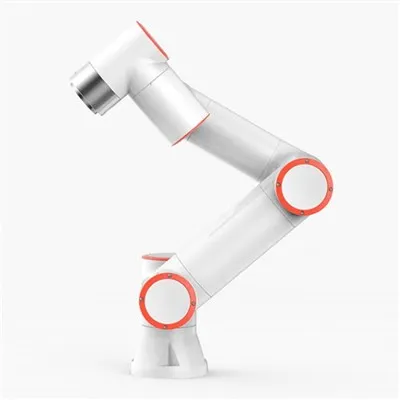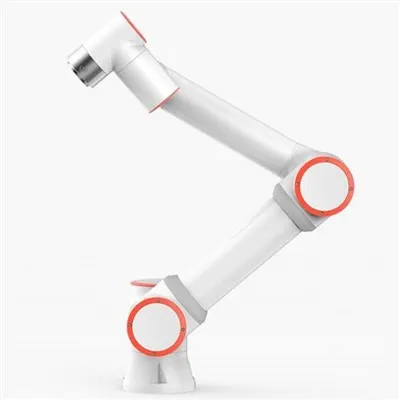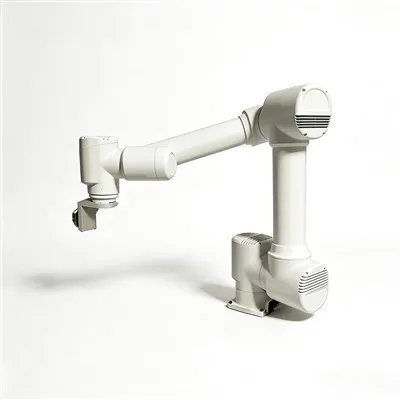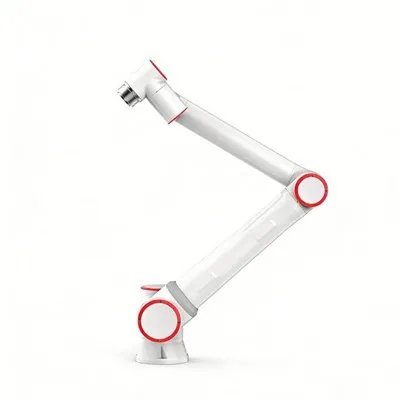

Industrial robots, as core equipment in modern manufacturing, offer advantages in multiple dimensions such as efficiency, precision, flexibility, and cost-effectiveness, and have become a key force driving industrial upgrading.
Significantly Increased Production Efficiency: Robots can operate 24/7 without fatigue or emotional fluctuations, maintaining a stable production rhythm and significantly shortening production cycles. In multi-shift production, they effectively free up manpower, maximizing production capacity.
High Operational Precision and Consistency: Repeat positioning accuracy reaches 0.05 mm, ensuring that every product meets uniform standards, greatly reducing scrap rates and rework costs. This indicator is a key parameter for measuring the performance of industrial robots.
Adaptability to Hazardous and Harsh Environments: Robots can operate stably in high-risk environments such as high temperatures (e.g., casting), toxic substances (e.g., chemicals), and radiation (e.g., nuclear industry), effectively mitigating personal safety risks and protecting worker health.
Reduced Overall Operating Costs: Although the initial investment is higher, in the long run, it can save approximately 70% of labor costs and reduce material waste caused by human error. The compact layout of intelligent factories also saves land resources.
High production flexibility: By changing end effectors (such as grippers and welding guns) and reprogramming, tasks can be quickly switched to adapt to the flexible manufacturing needs of multiple varieties and small batches, which is in line with the development trend of Industry 4.0.