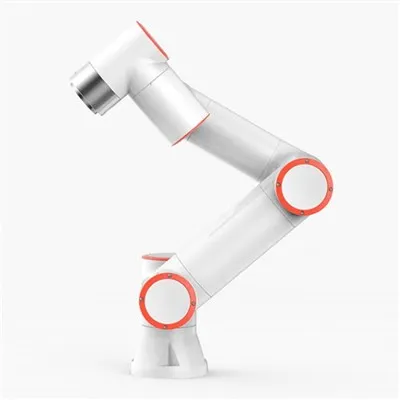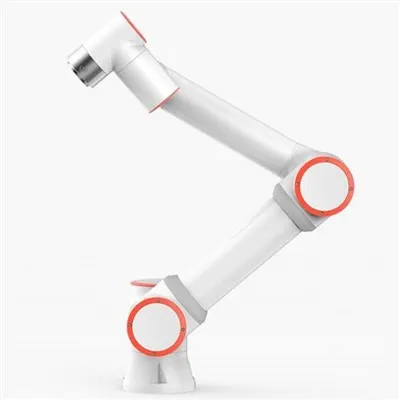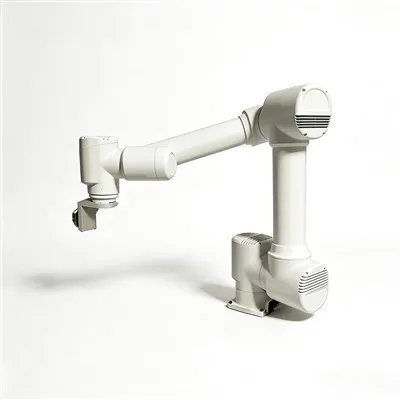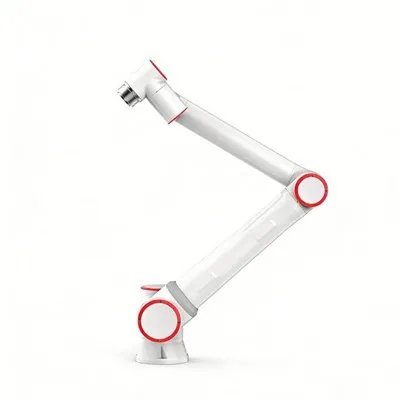

Industrial robots are mechanical devices that perform tasks such as handling, assembly, welding, and painting in industrial production through automatic control and reprogrammability. Their core characteristics include programmability, high precision, versatility, mechatronics, and intelligence.
Programmability: Industrial robots can have their task flows reprogrammed via software to adapt to different production needs. This flexibility makes them an important component of Flexible Manufacturing Systems (FMS), particularly suitable for small-batch, multi-variety production models.
Anthropomorphism: The mechanical structure of robots mimics human limbs, such as having joints similar to shoulders, elbows, and wrists, enabling multi-degree-of-freedom movement. Some intelligent robots are also equipped with sensors such as vision and touch sensors to enhance their perception and adaptation to the environment.
Versatility: By changing the end effector (such as welding torches, grippers, and nozzles) and adjusting the program, the same robot can perform multiple tasks such as welding, assembly, handling, and painting, truly achieving multi-purpose functionality and reducing equipment investment costs.
Mechatronics integrates mechanical, electronic, computer, and artificial intelligence technologies to form a highly integrated automated system. The controller acts as the "brain," the actuator as the "muscle," and the sensor as the "sensory organs," working together to complete high-precision and high-reliability tasks.