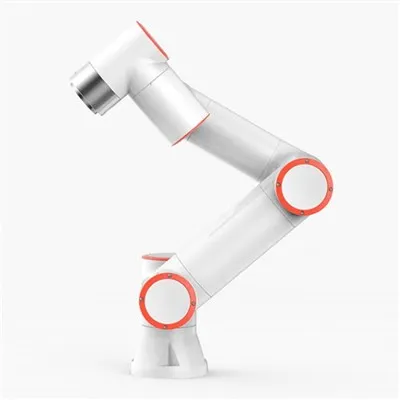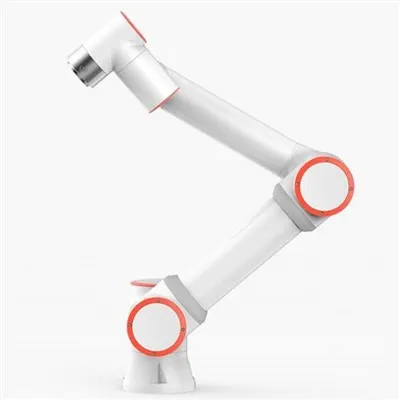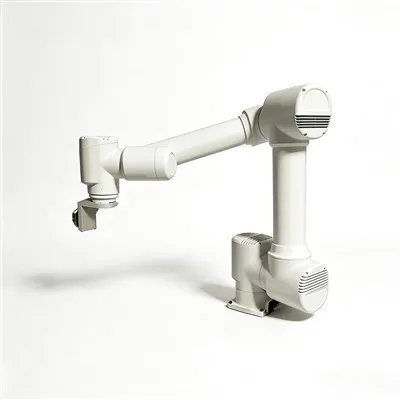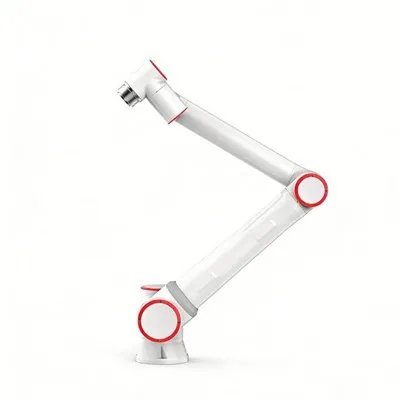

Human-robot collaboration is bringing fundamental changes to industrial production and manufacturing in the factories of the future, offering decisive advantages:
① Maximum flexibility in the production process.
② Taking over previously impossible and ergonomically inefficient manual processes, reducing employee workload.
③ Reduced risk of injury and infection, for example, through the use of specialized human-robot collaborative grippers.
④ High-quality completion of repeatable processes without investment based on type or workpiece.
⑤ Improved productivity and reduced equipment complexity through built-in sensing systems.
Based on the advantages of human-robot collaboration and in response to market demand, more flexible collaborative robots have become a viable solution for assembly and retrieval tasks. They can maximize the strengths of both humans and robots, allowing robots to better cooperate with workers and adapt to a wider range of work challenges.