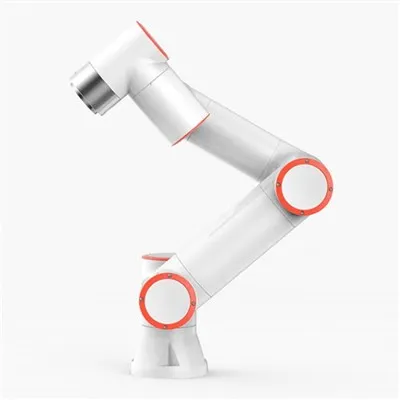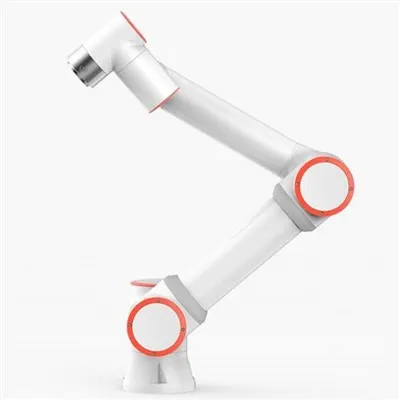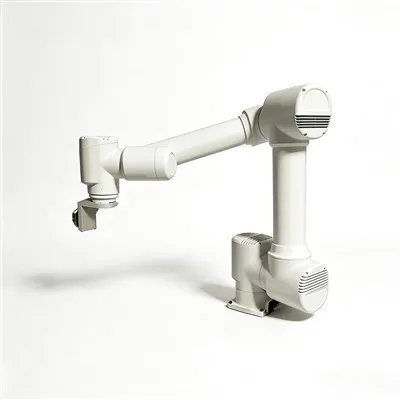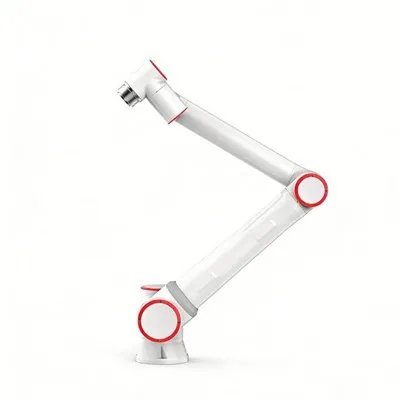

The robotics supporting industries refer to the sum of a series of related industries formed around the research, development, production, application, and maintenance of robots.
This industry not only covers the manufacturing of the robot itself but also involves numerous supporting industries that provide key components, technical support, system integration, and services for robots.
From the perspective of core components, the robotics supporting industries include the research and development and production of key components such as high-precision reducers, high-performance servo motors, and precision sensors. These components are the foundation for robots to achieve precise movements and efficient operation, and their technical level and quality directly affect the overall performance of the robot. For example, high-precision reducers can reduce the robot's motion errors and improve positioning accuracy; high-performance servo motors can provide stable and powerful power output, ensuring that the robot can complete various complex tasks.
In terms of system integration, the robotics supporting industries involve the organic integration of various components, software, and algorithms to form robot systems with specific functions. This requires system integrators to have deep technical expertise and rich project experience, enabling them to provide customized solutions based on customer needs. At the same time, the system integration process also needs to consider factors such as the robot's safety, reliability, and ease of use to ensure that the robot can operate stably in various environments.
Beyond core components and system integration, the robotics supporting industry also includes industries providing maintenance, upkeep, and upgrade services for robots. These services extend the lifespan of robots, improve their operational efficiency, and reduce customers' operating costs. For example, regular maintenance can promptly identify and resolve potential robot problems, preventing malfunctions; while software upgrades continuously enhance robot functionality and performance to meet evolving customer needs.
Furthermore, with the continuous development of robotics technology, the robotics supporting industry is constantly expanding into new application areas. For instance, in the medical field, the industry provides high-end medical equipment such as surgical robots and rehabilitation robots; in agriculture, it provides intelligent agricultural equipment such as plant protection robots and harvesting robots. This expansion into emerging application areas not only brings new development opportunities to the robotics supporting industry but also drives the continuous advancement of robotics technology.
It is worth noting that the development of the robotics supporting industry is inseparable from the formulation and implementation of relevant standards. By establishing unified standards and specifications, the quality and safety of robots and their supporting products can be ensured, promoting the healthy development of the industry. At the same time, standards can also drive technological innovation and industrial upgrading, enhancing the international competitiveness of my country's robotics industry.