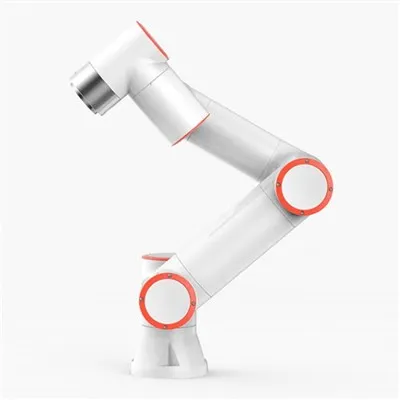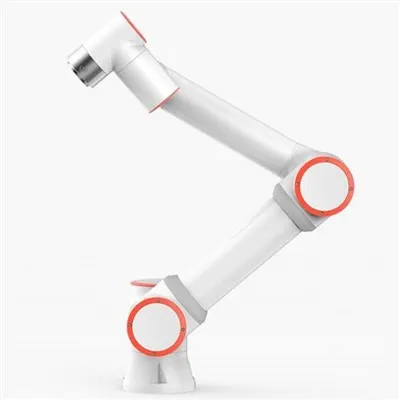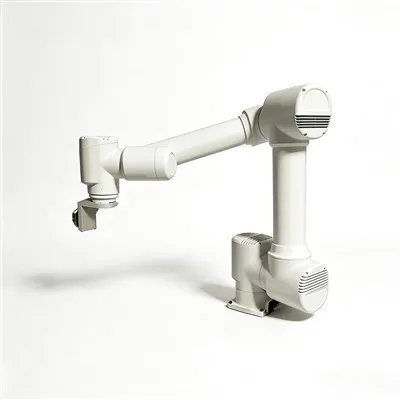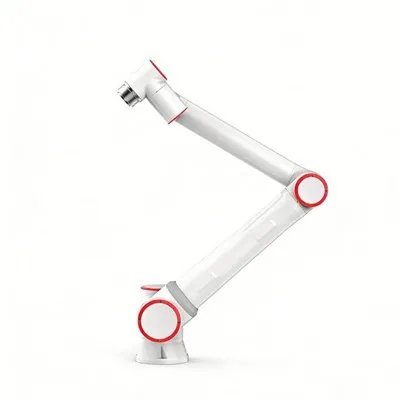

Collaborative robots are intelligent robots capable of working alongside humans. Their emergence solved the problem of robots' inability to directly interact and cooperate with humans. Unlike traditional robots, collaborative robots utilize human-robot interaction technology, enabling them to perform highly collaborative tasks. Collaborative robots can adjust their movement, force, and speed parameters according to different task requirements and environments, thereby completing efficient and precise work.
The history of collaborative robots can be traced back to the 1960s. At that time, industrial robot technology in the United States was relatively mature, but these robots could not work collaboratively with humans. To solve this problem, researchers began developing a new type of robot: the collaborative robot. Over the following decades, researchers continuously developed and optimized the technology, resulting in significant improvements in the technical level of collaborative robots.