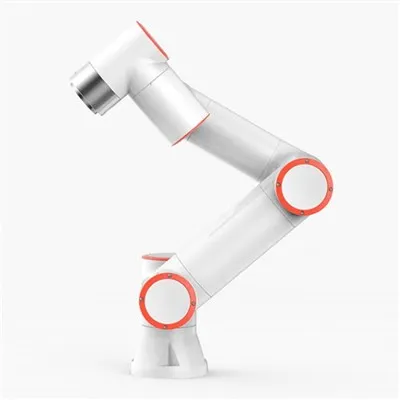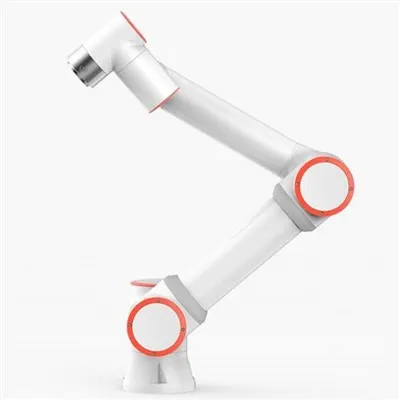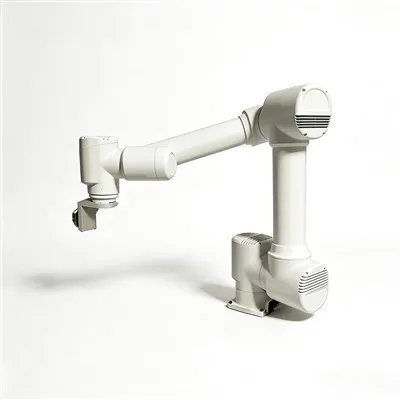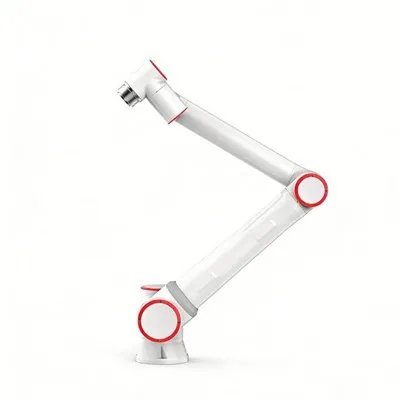

1. Material Handling: Robots, in conjunction with sensors, controllers, and grippers, can handle difficult-to-move items, such as automobiles and heavy machinery.
2. Precision Machining: Controllers control the precise movements of robots, coupled with high-precision sensors, to machine precision components.
3. Assembly Production: Parts are delivered to the robot via conveyor systems, and the robot then assembles the parts according to a pre-programmed sequence, improving production efficiency.
4. Painting: The robot's arm and sprayer are used to paint objects, improving painting efficiency and precision.
5. Welding: By programming and configuring robots, welding tasks on metal objects can be performed, improving production efficiency and working accuracy.