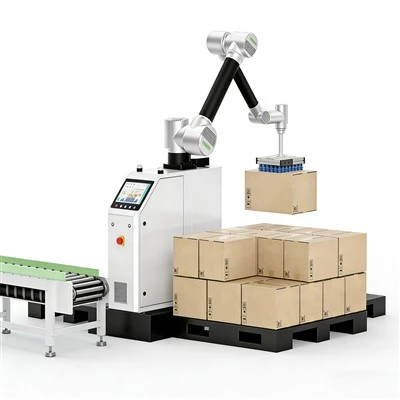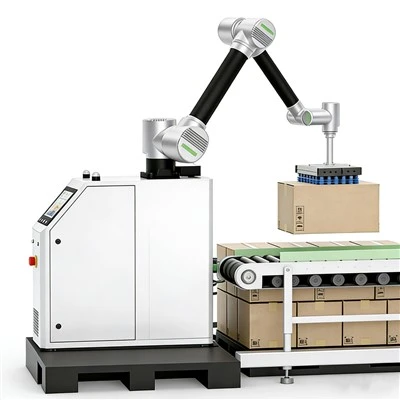


Performing appropriate inspections before operating a Palletizing Collaborative Robot is essential for maintaining stable equipment performance, reducing operational problems, and improving palletizing efficiency. Because the robot relies on a robotic arm and an end-of-arm gripping device to pick up, transport, and stack products, abnormalities affecting movement, gripping, or control may result in placement errors, dropped products, or unexpected equipment stoppages. Operators should therefore inspect the equipment, working environment, gripping device, and related production processes before starting operations.
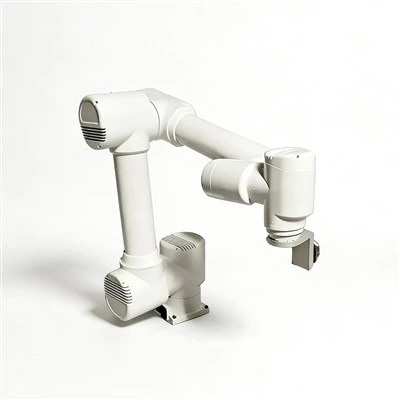
First, the overall condition and installation of the Palletizing Collaborative Robot should be inspected. Operators should visually examine the robotic arm, equipment base, and relevant connections for signs of damage, looseness, or other abnormalities. During operation, the robot repeatedly moves its joints to perform palletizing tasks. Problems with the mounting base or connecting components may affect movement stability. If any obvious abnormalities are identified, the robot should not be started until the issue has been properly investigated and addressed according to the equipment instructions.
Second, the robotic arm's working area should be checked. A Palletizing Collaborative Robot repeatedly moves between the product picking location and the pallet stacking area. Therefore, the intended movement area should be free from unnecessary objects, misplaced tools, and other obstacles. Operators should also check the surrounding work environment and personnel access to prevent people from entering potentially hazardous areas without appropriate safety controls. Even when collaborative robots are used, suitable protective measures remain necessary based on the actual risks of the application.
Third, the end-of-arm gripping device requires particular attention. The gripping device directly affects handling stability and is one of the most important components to inspect before operation. For robots using vacuum suction, operators should check for visible wear, blockages, or leaks in the suction components and confirm that the vacuum supply is functioning properly. For robots using mechanical grippers, the connections and movement of the gripping components should be inspected. Reliable gripping performance is essential for reducing the risk of dropped products and unsuccessful picking operations.
Fourth, the pallet and stacking area should be examined. Pallets must be positioned correctly and remain stable during operation. If a pallet is misaligned, the robot may place products inaccurately, affecting stacking uniformity and overall pallet stability. Operators should also inspect the pallet surface for visible damage, foreign objects, or other conditions that could interfere with product placement.
Fifth, the power supply and related connections should be checked. Operators should confirm that the equipment is receiving power correctly, the control system can start normally, and external connections show no obvious abnormalities. For robots equipped with pneumatic or vacuum gripping devices, the relevant air or vacuum supply should also be verified. The equipment should not be forced into operation if electrical connections or power supply conditions are abnormal.
Overall, inspections before operating a Palletizing Collaborative Robot should focus on equipment condition, robotic arm movement areas, gripping devices, pallet positioning, power connections, control programs, and safety functions. Operators should also verify that connected conveyor and packaging equipment can operate correctly. Thorough pre-operation inspections help reduce operational risks, improve palletizing stability, and support continuous production line performance.