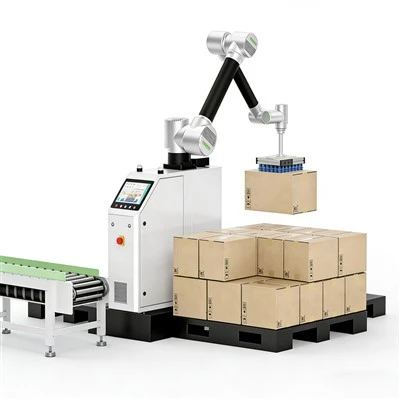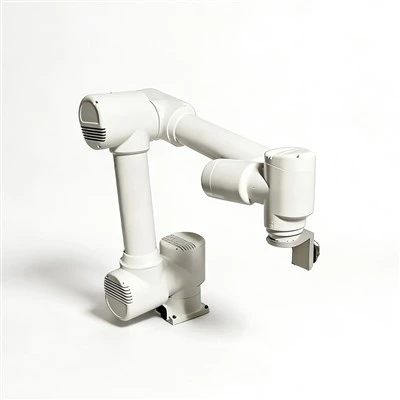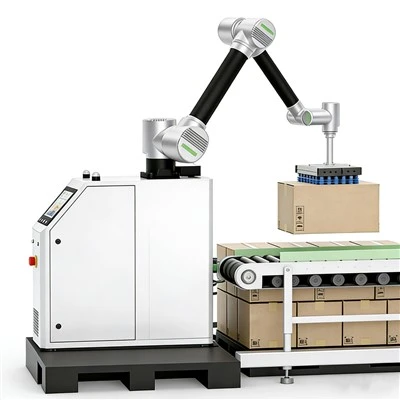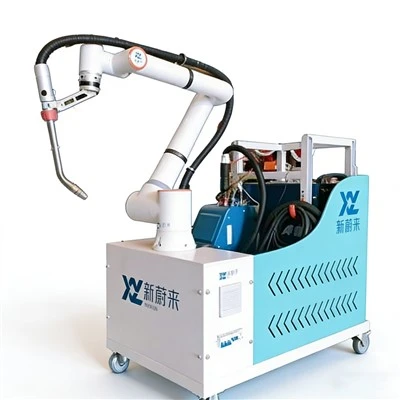

Collaborative robots (Cobots) are a new type of industrial robot designed for safe collaboration with humans in shared workspaces. They integrate technologies such as automation, sensing, force control, and artificial intelligence, aiming to improve production efficiency, ensure operational safety, and adapt to the needs of flexible manufacturing.
Collaborative robots significantly improve production efficiency, ensure operational safety, enhance production line flexibility, and lower the barrier to automation upgrades through human-robot collaboration.
In modern intelligent manufacturing, collaborative robots (Cobots) are no longer replacements for traditional industrial robots, but rather "partners" of human workers. Under the premise of safe and harmonious collaboration, they undertake repetitive, heavy, or high-precision tasks, freeing up human resources to focus on more creative work.
Improved Production Efficiency and Quality
Collaborative robots can operate stably 24/7, performing highly repetitive tasks and avoiding errors caused by human fatigue:
In electronics manufacturing, they complete precision operations such as motherboard soldering and chip mounting with an accuracy of ±0.02mm.
In automotive assembly lines, they handle screw fastening and component handling, improving cycle time consistency.
A Caterpillar factory achieved a welding cost of only 20% of the traditional system while maintaining a 99.5% welding pass rate by using Cobot welding.