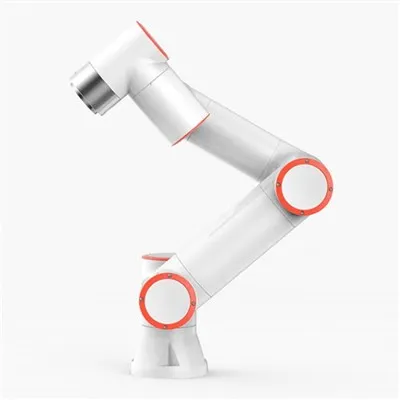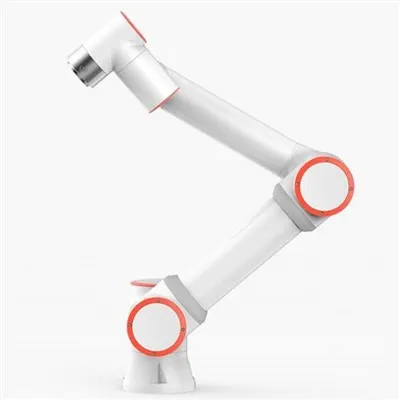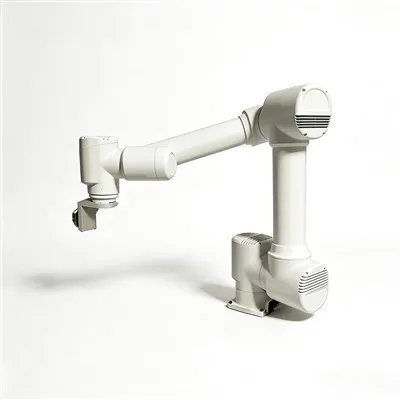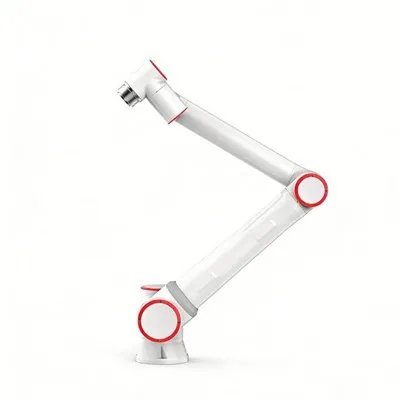

In traditional industrial automation, robots cannot come into contact with humans. This isolation ensures not only reliable operation but also no physical harm to operators. In these systems, robots work in areas or cages completely devoid of human workers.
Flexible Automation
Confining robots to cages limits their capabilities. Current market demands shorter delivery cycles and large-scale customization. These requirements have spurred interest in collaborative systems that support collaboration between workers and robots, as well as flexible and multi-purpose manufacturing systems, while ensuring worker safety. In flexible and collaborative automation, collaborative robots enhance and elevate human capabilities through strength, precision, and data analytics, thereby contributing greater value to the end user. Collaborative robots should achieve:
Coexistence – Sharing workspaces with workers to optimize processes
Collaboration – Flexibly automating various tasks with human intervention
Safety Systems: Protective fences present a technical barrier to the widespread application of robots. Collaborative robots meet safety requirements through inherent safety designs that support safe interaction between the robot and targets within its work area (e.g., ISO® 10218-1 standard). Collaborative robots reduce the inertia exposed in potential collisions and include compliant components (such as joint torque sensors) to absorb energy from unwanted impacts. Furthermore, collaborative robot developers utilize various external sensors (e.g., cameras, laser sensors, depth sensors, etc.) and fuse the collected data to reliably recognize the distance and gestures between workers and the robot.