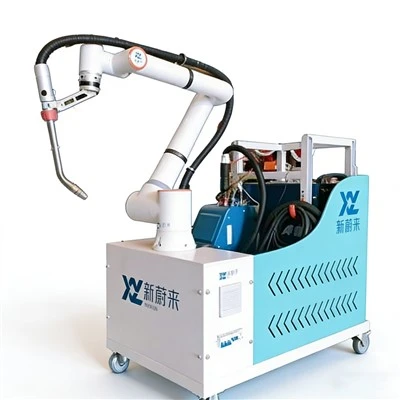

An Industrial Welding Robot has a high degree of automation, but automation does not mean that no personnel are required. The robot can perform welding operations according to preset programs, while tasks such as program setup, workpiece preparation, equipment inspection, operation monitoring, and abnormal-condition handling still require human involvement. Therefore, trained operators and appropriate technical personnel are generally needed when using an Industrial Welding Robot.
Operators are mainly responsible for routine equipment operation. Before production begins, they need to check whether the robot and welding equipment are functioning properly, confirm that the workpiece has been correctly positioned, and inspect the welding torch, wire-feeding system, gas lines, and relevant connections. Once no obvious abnormalities are found, the equipment can be started and the appropriate program can be executed according to the required operating procedure.
During production, operators also need to monitor the operating condition of the equipment. If the robot moves normally according to the program and the welding process remains stable, production can continue. If abnormal welding conditions, irregular wire feeding, welding torch problems, or equipment alarms occur, the equipment should be stopped promptly and inspected according to the specific situation.

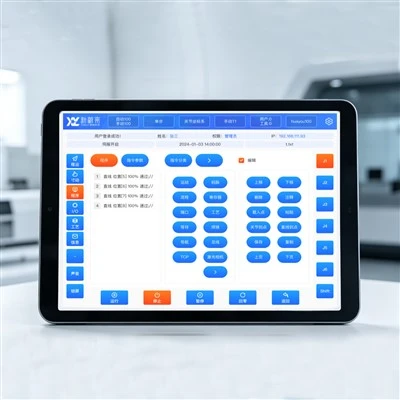
Industrial Welding Robots also involve program setup and adjustment. Different workpieces may vary in size, shape, and weld position, so the robot's movement path and relevant welding parameters may need to be adjusted according to the product. These tasks generally require greater operating experience and are usually handled by technical personnel familiar with robotic control systems and welding processes.
Equipment maintenance also requires appropriate personnel. The robot body, welding torch, wire-feeding system, cables, control system, and other auxiliary equipment may experience wear or abnormalities during long-term operation. These components should therefore be inspected and maintained according to actual operating conditions. For more complex faults, personnel without relevant experience should not disassemble or adjust the equipment without authorization. Such work should be handled by qualified and experienced personnel.
It is also important to pay attention to safety. The area in which the robot operates is within the robot's range of movement. Personnel should not enter this area while the robot is operating. Operators should be familiar with the equipment's start, stop, and emergency-stop procedures and should follow the applicable safety requirements.
Therefore, an Industrial Welding Robot is better understood as a system that reduces repetitive manual operations rather than completely replacing personnel. Human operators are still needed for equipment management, program adjustment, workpiece preparation, quality inspection, and abnormal-condition handling. Proper training can help operators use the equipment correctly, maintain stable operation, and reduce equipment problems and production interruptions caused by improper operation.