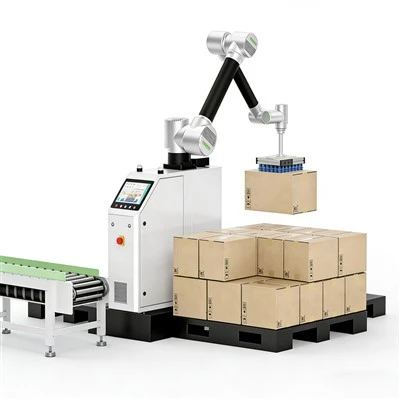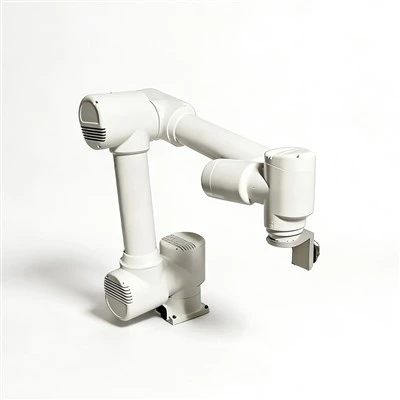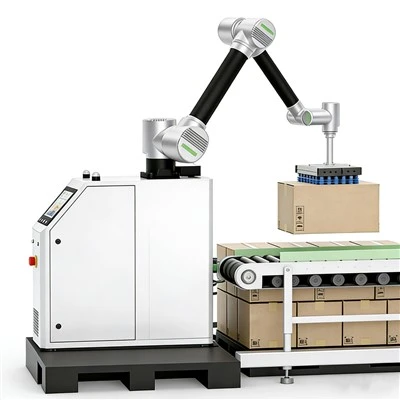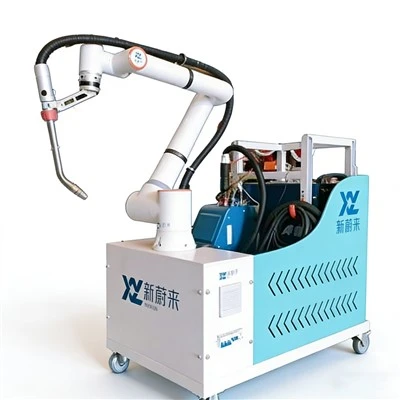


Small-batch, multi-product production is typically characterized by frequent product changes, relatively dispersed orders, and frequent adjustments to production tasks. Traditional palletizing methods often require workers to reorganize palletizing positions and operating procedures according to different products. When the number of product types increases, manual operations can become more labor-intensive. The Collaborative Palletizing Robot offers good adaptability, making it suitable for this type of production environment.
During actual production, different products may have different packaging forms, sizes, and handling requirements. The Collaborative Palletizing Robot can adjust its palletizing programs according to different production tasks, allowing it to handle various batches of products more flexibly. When production needs to switch from one product to another, the corresponding task program and operating settings can be adjusted so that the robot can perform the new palletizing task, reducing dependence on manual operations during production changeovers.
Small-batch, multi-product production also often involves frequent changes in orders and production schedules. If palletizing is performed entirely by workers, employees need to continuously monitor product changes and adjust stacking methods according to different tasks. Repetitive handling over extended periods can cause fatigue and may affect palletizing consistency. The Collaborative Palletizing Robot can take over repetitive handling and palletizing tasks, allowing workers to focus more on production organization, material management, and task changes.
In addition, the Collaborative Palletizing Robot offers flexibility when handling different production tasks. For companies that produce many product types but have relatively small quantities for each batch, this characteristic can be particularly useful. The equipment does not have to perform a single palletizing task continuously. Instead, it can adjust its tasks according to actual production requirements. This makes the robot valuable in production environments where schedules and product requirements change frequently.
It should be noted that small-batch, multi-product production still requires appropriate consideration of actual operating conditions. Different products may vary in packaging stability, handling characteristics, and palletizing requirements, all of which can affect the practical performance of the robot. When using a Collaborative Palletizing Robot, companies should plan the working area according to their production processes and organize appropriate operating tasks for different products so that production changeovers can be carried out more smoothly.
Overall, the Collaborative Palletizing Robot is well suited to production environments where products and palletizing tasks need to be changed frequently. For companies looking to reduce repetitive manual handling, improve production flexibility, and maintain continuous palletizing operations, the Collaborative Palletizing Robot can provide valuable support.