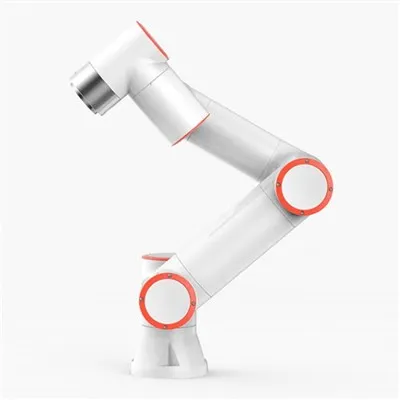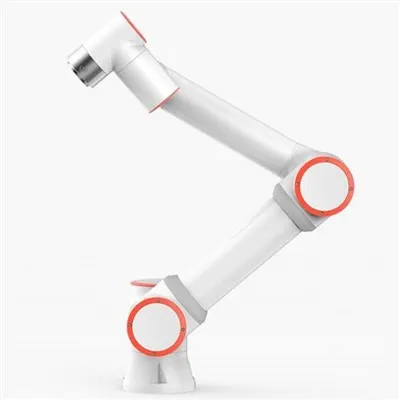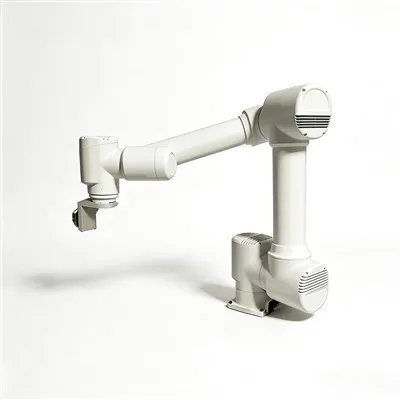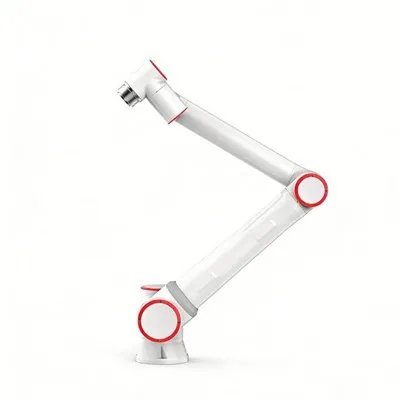

Collaborative robots (Cobots) are industrial robots capable of safely collaborating with humans in shared workspaces. Through built-in sensors, force control technology, and intelligent algorithms, they achieve dynamic obstacle avoidance, collision detection, and power limiting during close human-robot interaction, allowing them to participate directly in production processes without the need for traditional safety barriers.
1. Lightweight: Makes the robot easier to control and improves safety.
2. User-Friendly: Ensures the robot's surfaces and joints are smooth and flat, without sharp corners or gaps that could pinch operators.
3. Sensing Capability: Perceives the surrounding environment and adjusts its behavior accordingly.
4. Human-Robot Collaboration: Possesses sensitive force feedback characteristics, stopping immediately when a preset force is reached. After risk assessment, safety barriers may not be necessary, enabling humans and robots to work collaboratively.
5. Easy Programming: Programming and debugging are very easy for ordinary operators and those without technical backgrounds.