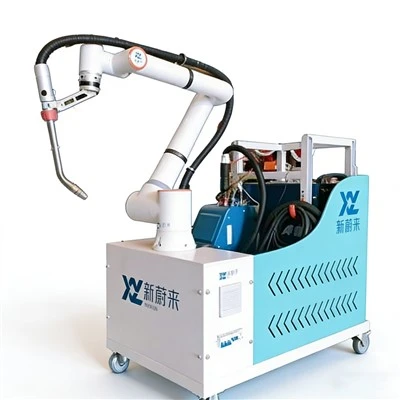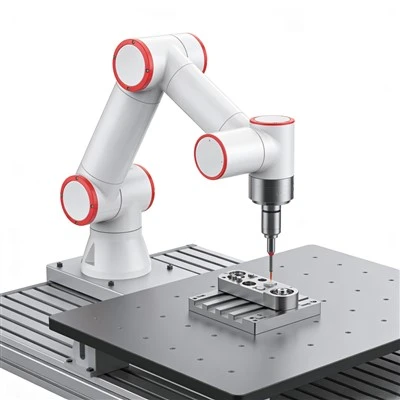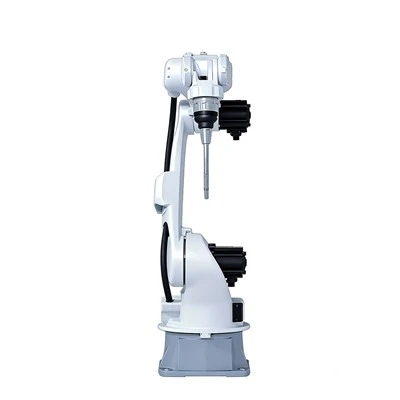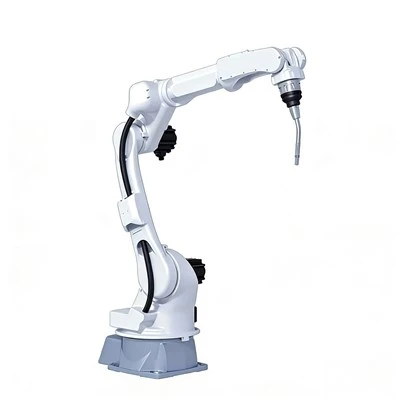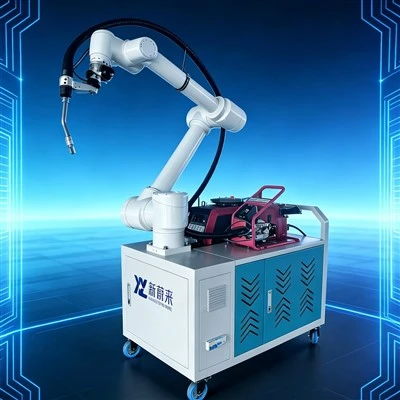

The CR620 Collaborative Robot possesses certain moisture‑resistance capabilities for stable operation within ordinary humid industrial environments, yet it carries strict usage limits regarding humidity. Two distinct scenarios must be strictly differentiated: non‑condensing humid conditions versus condensing or water‑accumulating humid conditions. Performance and safety differ substantially between these two cases. According to official technical specifications, the main body of the CR620 Collaborative Robot holds an IP54 rating for dust protection and splash‑water resistance. Its allowable relative humidity reaches up to 95 % under non‑condensing conditions within a temperature range of 0 ℃‑50 ℃. It can run reliably in humid workshops in southern regions, common processing workshops and food‑packaging workshops where no dew develops, without mechanical damage to robot bodies or joints.
Nevertheless, the controller holds only an IP20 rating with weak resistance to moisture, water and dust; this forms the core constraint for deployment in humid environments. Delicate electrical components including drivers, circuit boards and wiring terminals reside inside the controller. In humid, dew‑forming conditions, water vapor may adhere to components, metal terminals undergo oxidation and corrosion, and cable insulation suffers aging. Minor consequences include abnormal signal transmission, equipment alarms and motion jamming. Severe outcomes consist of short‑circuit events, burnt mainboards, unexpected shutdowns and even electric‑shock hazards. When high humidity generates condensed water, vapor may permeate joint gaps, motor interfaces and cable connectors. Precision internal components will rust, lubrication performance will degrade, and transmission jamming will follow, significantly undermining accuracy and service life.

Clear operational specifications apply for humid‑environment deployment. Ordinary humid environments free of condensation or water pooling are acceptable, provided supporting protective measures are implemented. Install ventilation and dehumidification devices in work zones to boost air circulation and reduce relative humidity. Position the controller in dry, well‑ventilated locations away from wall‑borne and ground‑borne moisture; deploy sealed moisture‑proof cabinets for the controller when necessary. Inspect interfaces and terminals daily for dampness and oxidation, and remove dew and water vapor in a timely manner. Never deploy the robot in harsh humid settings featuring condensation, water pooling, water spraying or heavy mist, such as damp basements, poorly‑dehumidified washing workshops and open‑air rain‑exposed sites. If the unit is accidentally exposed to condensing‑humidity conditions, cut power immediately. Activate ventilation and drying equipment. Do not restart for debugging until both robot body and controller are fully dried and no moisture‑induced faults are detected. Increase inspection frequency for electrical systems and execute anti‑moisture and anti‑rust maintenance for long‑term operation in humid sites to mitigate failure risks.