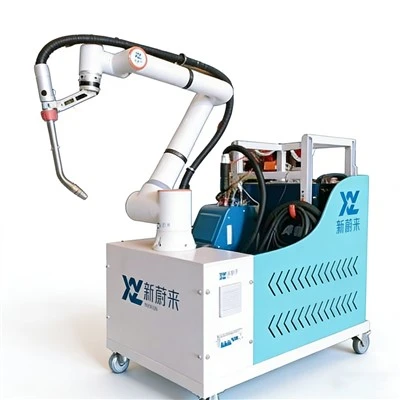


When a Welding Collaborative Robot is expected to remain unused for an extended period, proper shutdown and storage procedures should be carried out in advance. Appropriate storage not only helps maintain the equipment in good working condition but also reduces the potential effects of dust, moisture, and other environmental factors during long-term inactivity.
Before shutting down the equipment for an extended period, the current welding task should first be completed according to the normal operating procedure. The robot should be confirmed to have stopped moving before any cleaning or inspection is performed. Cleaning or inspecting the equipment while it is still operating should be avoided, as this may create unnecessary risks for both the equipment and personnel.
After shutdown, the external surfaces of the Welding Collaborative Robot can be cleaned to remove dust, welding spatter, and other debris generated during production. Welding areas are often exposed to smoke, spatter, and metal particles, so particular attention should be paid to these areas. If such debris remains on the equipment for a long time, it may affect cleanliness and make subsequent preparation for operation more difficult.
In addition to cleaning, the overall condition of the equipment should be visually inspected. Operators can check whether there are any obvious abnormalities on the exterior, whether connection points appear loose, and whether welding-related components remain in an appropriate condition. If any abnormal condition was noticed before shutdown, it should be recorded and addressed appropriately rather than being overlooked until the equipment is restarted.
The storage environment is equally important. During long-term shutdown, a Welding Collaborative Robot should preferably be stored indoors in a clean, dry, and well-ventilated area. Long-term exposure to humid conditions should be avoided. Moisture can have an adverse effect on metal components and electrical-related parts, so direct exposure to water vapor should be minimized as much as possible.
The equipment should also be kept away from areas with excessive dust or corrosive substances. Industrial production environments may contain metal dust, chemical substances, and other contaminants. If the robot remains in such an environment for an extended period, the equipment may require additional cleaning and maintenance. Selecting a relatively stable and clean storage area can help maintain the equipment's condition.
If the equipment remains unused for a particularly long time, periodic inspections should be carried out according to its operating and maintenance instructions. During these inspections, operators can check the external condition of the equipment, the surrounding working area, and relevant components for any abnormalities. If dust accumulates or environmental humidity changes significantly, appropriate measures should be taken.
Before restarting the Welding Collaborative Robot after a long period of inactivity, it should not be immediately put back into formal production. The overall condition should first be checked, accumulated dust should be removed, and the working area should be inspected to ensure that there are no objects that could interfere with robot movement. The equipment should then be started according to the normal operating procedure. If necessary, a preliminary test or trial operation can be performed before returning to regular welding production.
Overall, long-term storage of a Welding Collaborative Robot should focus on proper shutdown, cleaning, inspection, environmental control, and pre-startup checks. Good storage practices can reduce the impact of long-term inactivity and environmental conditions while creating better conditions for the equipment to be safely and smoothly returned to production.