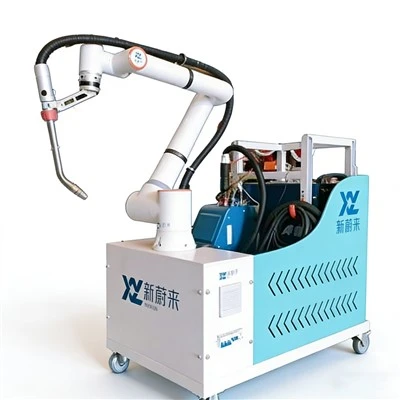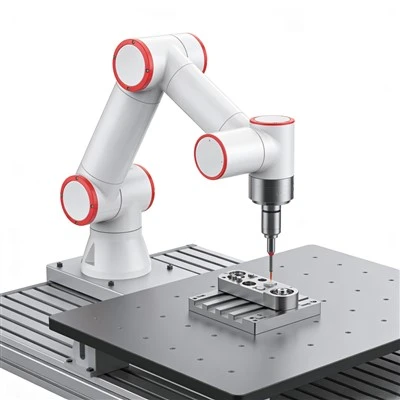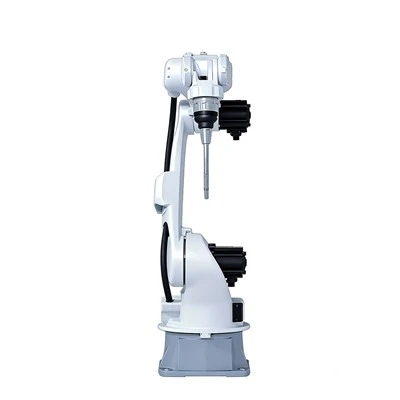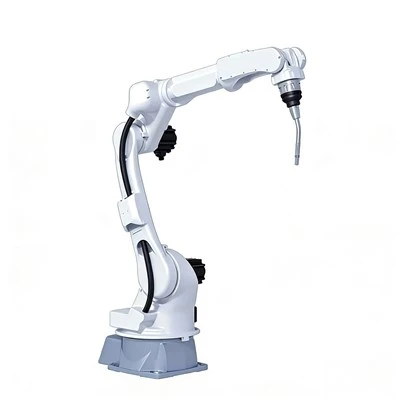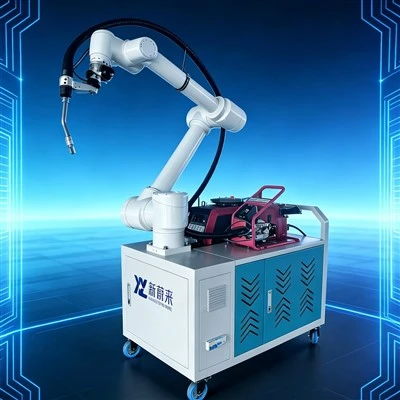

The advantages of welding power supplies are mainly reflected in high efficiency and energy saving, precise control, lightweight design, strong adaptability, and high level of intelligence.
High Efficiency and Energy Saving: Modern welding power supplies using inverter technology can achieve efficiencies of 80%–90%, saving more than 1/3 of the energy compared to traditional welding machines.
Precise Control: Supports millisecond-level current and voltage regulation, suitable for precision welding (such as electronic components, automotive parts, battery modules, etc.).
Small size and light weight: High-frequency inverter technology significantly reduces the size of transformers and inductors, making the entire unit lighter and easier to move and integrate into automation systems.
Good dynamic characteristics and stable arc: Quickly responds to load changes (such as molten droplet short circuits), easy arc ignition, less spatter, and aesthetically pleasing weld formation.
Multifunctional Integration: One machine supports multiple processes, such as manual arc welding (SMAW), MIG/MAG, TIG, pulse welding, and cold arc transfer.
Intelligent and Networked Capabilities: High-end models are equipped with expert databases, self-diagnosis, remote monitoring, and data logging (e.g., storing 5 million weld point parameters), supporting industrial internet and big data analysis.
High Adaptability: Can handle different materials (steel, aluminum, stainless steel, copper alloys, etc.), thicknesses, and welding positions (flat welding, vertical welding, overhead welding, etc.).
Environmentally Friendly and Safe: Energy saving and consumption reduction align with green manufacturing trends; some models have multiple protections (overcurrent, overvoltage, undervoltage, phase loss, leakage, etc.) to enhance operational safety.