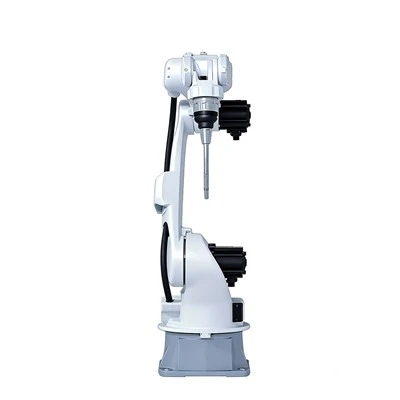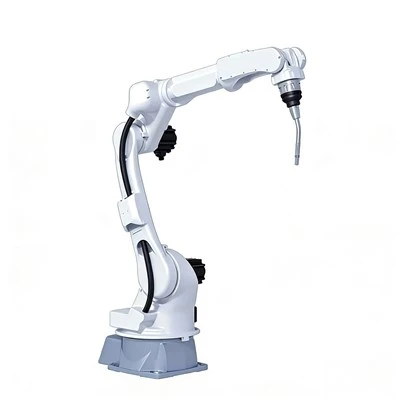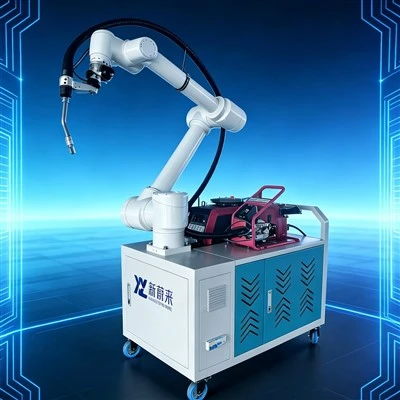

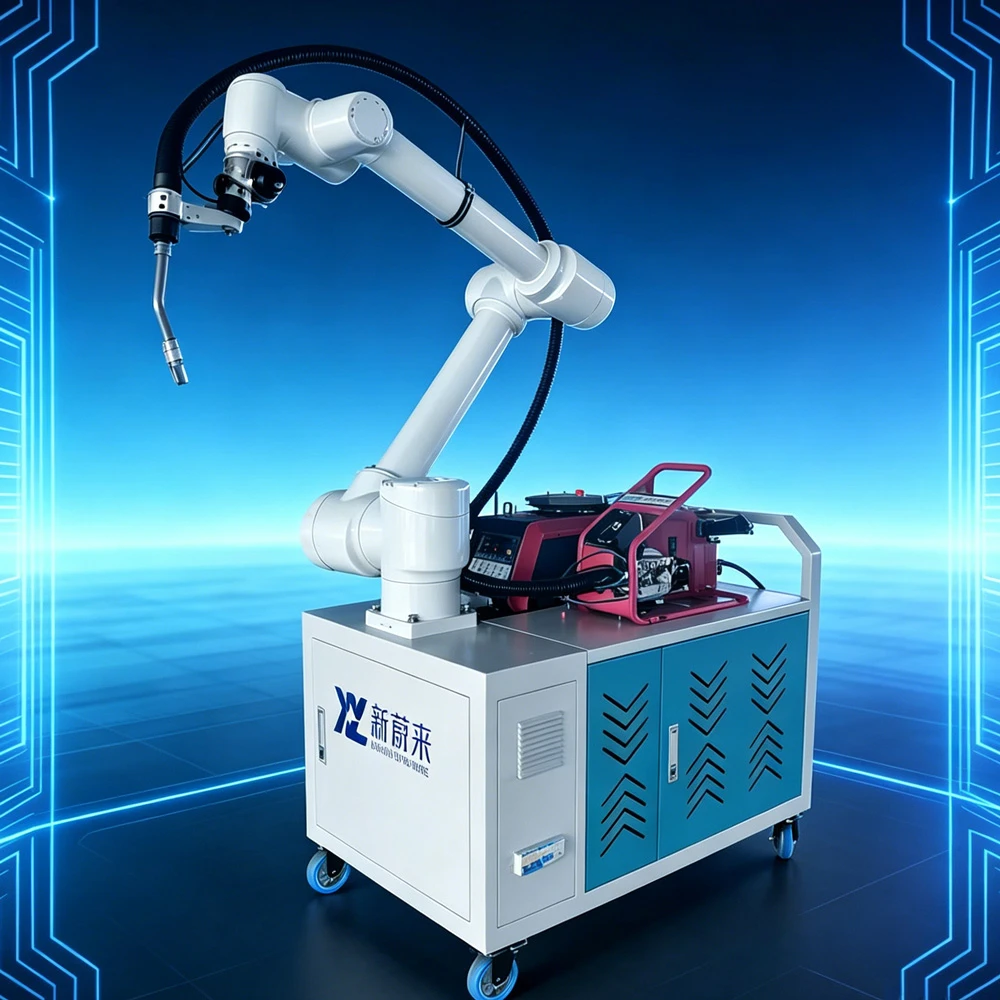
Boasting a moderately sized arm span, ultra-high operational precision, outstanding harsh working condition adaptability and powerful flexible production capability, the 1600 Arm Span Collaborative Welding Robot fits welding tasks across diverse industries, welding processes and production modes. It handles precision small-component welding as well as mass production of medium-sized structural frames, with superior flexible adaptability surpassing both large heavy-duty robotic welders and compact desktop robotic systems. It serves as a universal automated welding machine optimized for medium and small industrial welding applications, with core deployment scenarios divided into six primary industry verticals.
First, household metal hardware and daily consumer goods welding applications. The robot fits welding tasks for furniture steel frames, metal support brackets, bathroom hardware fittings, kitchen appliance structural components and window & door metal hardware – all categorized as medium and small metal workpieces with highly matched dimensional compatibility. It produces aesthetically uniform finished weld beads that satisfy strict cosmetic appearance standards required for consumer household products. It serves as a perfect automated replacement for manual mass welding, resolving persistent industry pain points such as inconsistent weld bead aesthetics from manual welding and elevated reject rates. The robot seamlessly adapts to dual production modes: low-volume custom order manufacturing and high-volume standardized mass production.
Second, automotive and two-wheeler vehicle component welding scenarios. It supports welding for small automotive metal fittings, electric bicycle frames, mechanical support brackets, sheet metal welded assemblies and tubular pipe joints. Compatible base materials include carbon steel, stainless steel and aluminum alloy. The robot delivers exceptional welding precision with minimal workpiece thermal deformation, meeting stringent precision welding and mechanical load-bearing performance requirements for automotive industry components. It integrates seamlessly into standardized mass-production assembly lines operated by automotive component manufacturing factories.
Third, light steel structure and construction machinery accessory welding applications. Target workpieces include small steel support frames, mechanical equipment racks, machinery base frames, conveyor system structural fittings and miniature structural components for light construction machinery. The robot executes multiple welding processes including fillet welding, lap joint welding, continuous full bead welding and intermittent stitch welding. Its rigid mechanical structure delivers stable welding performance to guarantee sufficient structural weld strength for load-bearing frames, ideal for batch welding operations at medium and small light steel structure fabrication plants. It operates reliably under standard workshop dust and oil contamination working conditions.
Fourth, precision instrumentation and electromechanical equipment welding scenarios. It fits welding tasks for miniature electromechanical equipment housings, precision machine component fittings, thin-gauge sheet metal assemblies and instrument mounting brackets. Supported by its ±0.05mm ultra-high positioning precision, the robot executes ultra-fine seam welding and precision butt joint welding with minimal thermal deformation that avoids structural damage to delicate precision workpieces, fully meeting strict welding process standards required for high-end precision industrial equipment.
Fifth, custom non-standard workpiece and flexible production line deployment scenarios. The robot features compact overall dimensions with minimal floor space occupation and flexible multi-mode installation compatibility including floor mounting, wall mounting and overhead inverted mounting. It fits compact narrow workstations, legacy manufacturing workshop automation retrofits and flexible integrated production line layout designs without requiring large-scale structural renovation of existing factory buildings to complete automation upgrade deployment. It supports ultra-fast program switching for new workpiece specifications, accommodating multi-specification, low-volume custom non-standard workpiece welding tasks and eliminating core pain points of complex reconfiguration and poor cross-workpiece compatibility plaguing traditional fixed automation welding equipment.
Sixth, general industrial auxiliary welding application scenarios. The robot adapts to miscellaneous workshop welding tasks including component repair re-welding, small-part rework welding, batch standard component welding and mobile portable workstation welding assignments. It supports multiple mainstream welding processes including CO₂ gas metal arc welding (GMAW/MIG) and gas tungsten arc welding (GTAW/TIG), delivering full coverage of medium and small industrial welding production demands. Overall, this robotic welding system features ultra-broad cross-industry scenario compatibility, rapid workpiece changeover flexibility and robust harsh workshop condition tolerance, establishing it as the core essential automated welding equipment for medium and small manufacturing enterprises pursuing welding production automation upgrades.