

If you've been hanging around manufacturing or fabrication spaces lately, you've probably noticed two big trends colliding hard: robot systems getting more flexible, and 3D printing (additive manufacturing, for the folks who love fancy terms) moving way beyond tiny prototypes. A few years back, people thought 3D printing was just for making desk trinkets or one-off parts, but now it's popping up everywhere from aerospace to construction-and robot systems are the secret sauce making that happen. As a robot system supplier, I've seen firsthand how pairing robots with 3D printing isn't just a gimmick; it's solving problems that old-school 3D printers and static automation can't touch. Let's break down the real, game-changing applications that are already out there, plus why this combo is shifting how we make things.
如果你最近一直在制造业或加工领域转悠,大概已经注意到两大趋势正在激烈碰撞:机器人系统变得越来越灵活,而 3D 打印(喜欢花哨说法的人叫它增材制造)早已远远超越了小型原型的阶段.几年前,人们还以为 3D 打印只是用来做桌面小摆件或一次性零件,但如今它正从航空航天到建筑等各个领域遍地开花--而机器人系统正是让这一切得以实现的秘密武器.作为机器人系统供应商,我亲眼看到机器人与 3D 打印的结合绝不只是噱头;它正在解决老式 3D 打印机和静态自动化无法触及的问题.让我们来拆解那些已经存在的,真正具有颠覆性的应用,以及为什么这种组合正在改变我们的制造方式.
First off, let's talk about large-format 3D printing-think parts that are too big for even the most gargantuan static 3D printers. Like, really big: wind turbine components, shipping container parts, construction modules for housing, even full-sized car chassis prototypes. Traditional 3D printers are limited by their fixed build volume; if you need a part longer than 10 feet, you either have to slice it into tiny, weak sections that take forever to glue together, or forget it entirely. Robots fix that because they can move their print end (the extruder, laser, or material depositor) in 6 axes of motion-way more than a standard Cartesian 3D printer's 3 axes. That means you can print any size part you want, no fixed box holding you back.
首先,我们来谈谈大幅面 3D 打印--想想那些连最庞大的静态 3D 打印机都容纳不下的部件.比如,真正的大块头:风力涡轮机组件,集装箱部件,房屋建筑模块,甚至全尺寸汽车底盘原型.传统 3D 打印机受限于固定的构建体积;如果你需要一个超过 10 英尺长的部件,要么得把它切成细小而脆弱的段块,再花大量时间粘合起来,要么干脆放弃.机器人解决了这个问题,因为它们可以让打印末端(挤出机,激光器或材料沉积器)在 6 个运动轴上移动--远超标准笛卡尔 3D 打印机的 3 个轴.这意味着你可以打印任意尺寸的部件,不再受固定箱体的限制.
We recently worked with a client making custom concrete housing modules using this setup. Instead of a massive, expensive static 3D printer taking up half their factory floor, they mounted a robot arm on a track that spans the entire length of their production bay. The robot moves seamlessly along the track, laying down concrete layer by layer, adjusting its path in real-time to match the module's curved walls. No more slicing parts, no more weak joints. It's way faster than printing small sections and assembling them, and the parts are stronger because the material is laid down in one continuous path. This isn't just a demo-they're already installing these modules in affordable housing projects, and other construction companies are following suit.
我们最近与一位客户合作,他们使用这套装置制作定制混凝土房屋模块.他们没有采用一台庞大,昂贵,占据半个厂房地面的静态 3D 打印机,而是将机械臂安装在一个横跨整个生产车间长度的轨道上.机器人沿轨道无缝移动,一层一层地铺设混凝土,并实时调整路径,以匹配模块的弧形墙体.不再需要切割部件,不再有薄弱的接缝.这比打印小段再组装要快得多,而且部件更坚固,因为材料是以一条连续路径铺设的.这不仅仅是演示--他们已经在经济适用房项目中安装这些模块,其他建筑公司也在纷纷效仿.


Next up is material versatility, a huge pain point for regular 3D printers. Most desktop or small industrial 3D printers are stuck with one or two materials at a time-like PLA or ABS plastic. But when you pair a robot with 3D printing, you can swap out tools on the fly to work with all kinds of materials, even mixing them mid-print. We're talking metal, ceramic, concrete, food, bioplastics, you name it. Some of our aerospace clients use this to print parts with metal inserts embedded in a plastic frame-perfect for components that need to be light but strong where it counts. Others are mixing recycled plastic with concrete for building materials, cutting waste big time.
接下来是材料多样性,这是普通 3D 打印机的一大痛点.大多数桌面或小型工业 3D 打印机一次只能使用一两种材料--比如 PLA 或 ABS 塑料.但将机器人与 3D 打印结合后,你可以随时更换工具,使用各种材料,甚至可以在打印过程中混合材料.我们说的是金属,陶瓷,混凝土,食品,生物塑料,应有尽有.我们的一些航空航天客户利用这一点来打印嵌有金属嵌件的塑料框架部件--非常适合那些需要轻量化但在关键部位又需要高强度的组件.还有一些客户将回收塑料与混凝土混合用于建筑材料,大幅减少了浪费.
Wait, and let's not forget about repair and maintenance. Robots aren't just for making new parts-they can fix existing ones too. Imagine a wind turbine blade that cracks 500 feet up in the air. You can't bring the whole blade to a factory for a weld, right? But if you have a portable robot system with a 3D printing end, you can bring it to the turbine, scan the damaged spot on the blade, and print a custom repair patch right there, on-site. That's not a hypothetical-we've seen this in action with energy companies. It cuts repair time from days to hours, and saves them millions in downtime. It makes you wonder why anyone would wait to ship a broken part across the country when you can fix it where it is, using robot-assisted 3D printing.
等等,我们别忘了维修和保养.机器人不仅能制造新零件,还能修复现有零件.想象一下,一片风力涡轮机叶片在 500 英尺高空出现了裂纹.你不可能把整片叶片运回工厂去焊接,对吧?但如果你有一套带 3D 打印端的便携式机器人系统,就能把它带到涡轮机旁,扫描叶片上的受损部位,然后当场打印出定制的修复补丁.这并非假设--我们已经在能源公司身上看到了实际应用.它把维修时间从数天缩短到数小时,还为他们节省了数百万的停机损失.这不禁让人纳闷:既然可以用机器人辅助 3D 打印在原地修复,为什么还要把损坏的零件运到全国各地去修呢?
Then there's the custom manufacturing space, like for small-batch or one-off parts that regular automation can't handle. If you're a medical device maker, you might need a custom hip implant that fits a specific patient's anatomy, or a small artisanal furniture maker who wants custom curved parts for a chair. Old-school manufacturing (like CNC machining or injection molding) is too expensive for small batches-you have to make thousands of parts to cover the tooling costs. Robotic 3D printing changes that because it's software-driven. You can just upload a 3D model, tweak it to the exact size or shape you need, and hit print-no special tools, no long setup times. A local bike shop we work with uses this to make custom bike frames for riders with unusual body sizes. Instead of ordering frames from a big manufacturer that charges a premium, they use our robot systems to print lightweight, durable frames in a couple of hours.
然后是定制制造领域,比如小批量或一次性零件,这些是常规自动化无法处理的.如果你是医疗器械制造商,你可能需要一个适合特定患者解剖结构的定制髋关节植入物,或者你是一个小型手工艺家具制造商,想要为椅子制作定制弧形部件.老派制造方式(如 CNC 加工或注塑成型)对于小批量来说太昂贵了--你必须制造数千个零件才能摊薄工装成本.机器人 3D 打印改变了这一点,因为它是由软件驱动的.你只需上传一个 3D 模型,调整到你需要的确切尺寸或形状,然后点击打印--不需要特殊工具,也不需要漫长的设置时间.我们合作的一家本地自行车店利用这一点,为体型特殊的骑行者制作定制自行车车架.他们不用向收取高溢价的大型制造商订购车架,而是使用我们的机器人系统,在几个小时内打印出轻便,耐用的车架.
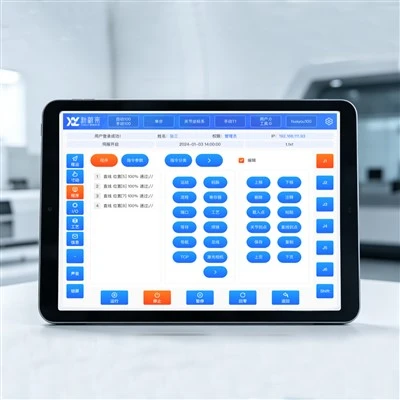
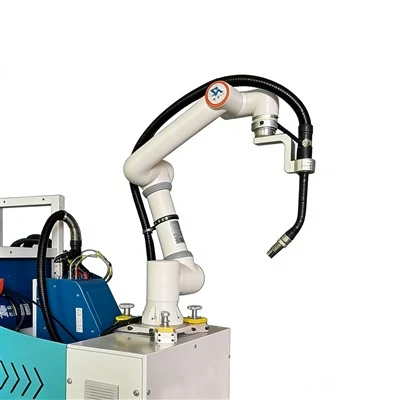
Now, let's get to the part that's been on everyone's mind lately: how easy is this stuff to use? A lot of people think robots are only for teams of roboticists, but that's not true anymore. We've built systems that let anyone operate them, no coding required. For example, our No-code Welding Robot System lets you teach the robot a 3D print path just by moving its arm through the desired shape with a hand control-way simpler than writing G-code for static 3D printers. That's been a game-changer for small businesses that don't have a dedicated automation team. They can use these robot systems for 3D printing without having to hire someone to program it for weeks.
现在,让我们来谈谈最近大家都在想的那件事:这东西到底有多容易用?很多人认为机器人只属于机器人专家团队,但现在已经不是这样了.我们构建的系统让任何人都能操作它们,无需编程.例如,我们的无代码焊接机器人系统让你只需用手持控制器移动机械臂,让它沿着想要的形状走一遍,就能教会机器人一条 3D 打印路径--这比为静态 3D 打印机编写 G 代码要简单得多.对于没有专门自动化团队的小企业来说,这彻底改变了局面.他们可以使用这些机器人系统进行 3D 打印,而不必花几周时间雇人来编程.
Wait, and what about mobility? Some of these robotic 3D printing setups don't even need to be in a fixed factory. We've made portable options, like our Portable Welding Robot System and Portable Robotic Welding System, that can be loaded onto a truck and taken to job sites, disaster zones, or even remote mines. A mining company in Canada used a portable robot to print custom replacement parts for heavy equipment out of metal, right there at the mine. They don't have to wait for parts to be shipped from the city, which cuts downtime and keeps their operations running smoothly. It's wild to think you can roll up to a mine with a small robot setup, scan a broken part, print a new one, and get back to work all in a day.
等等,那移动性呢?有些机器人 3D 打印设备甚至不需要固定在工厂里.我们已推出便携式选项,比如我们的便携式焊接机器人系统和便携式机器人焊接系统,可以装到卡车上,运往施工现场,灾区,甚至偏远矿区.加拿大的一家矿业公司使用便携式机器人,在矿区现场用金属打印重型设备的定制替换零件.他们不必等待零件从城市运来,这缩短了停机时间,让运营保持顺畅.想想看,你可以带着一套小型机器人设备开到矿区,扫描一个损坏的零件,打印一个新的,然后当天就恢复工作,这简直太不可思议了.
I want to be real here-this isn't all sunshine and rainbows. There are still hurdles. The upfront cost of a robot system plus a 3D print tool can be higher than a standard desktop 3D printer, especially for small businesses. There's also the learning curve, even with no-code systems-you still have to understand how different materials behave when extruded, like how concrete cures or how metal cools to avoid warping. But the tech is getting better every year, costs are coming down, and more training resources are popping up to help teams learn quickly.
我想实话实说--这并不全是阳光和彩虹.仍然存在障碍.机器人系统加上 3D 打印工具的前期成本可能高于标准桌面 3D 打印机,尤其是对小型企业而言.还有学习曲线的问题,即使是无代码系统--你仍然需要了解不同材料在挤出时的表现,比如混凝土如何固化,或者金属如何冷却以避免翘曲.但这项技术每年都在进步,成本在下降,越来越多的培训资源也在涌现,帮助团队快速上手.
As a robot system supplier, we've seen every part of this space evolve, and the one thing that stands out is how adaptable these systems are. It's not just about replacing old tech-it's about opening up new possibilities that didn't exist before. A few years ago, no one thought you could print a full housing module on-site, or repair a wind turbine blade without climbing 500 feet, or make a custom bike frame in a small shop. Now it's all happening, and robots are the backbone of it.
作为机器人系统供应商,我们见证了这个领域的每一个环节的演变,而最突出的一点是这些系统的适应性有多强.这不仅仅是替换旧技术--而是开启以前不存在的新可能性.几年前,没人认为你可以现场打印一个完整的外壳模块,或者不用爬 500 英尺就能修复风力涡轮机叶片,或者在小店里制作定制自行车车架.现在这一切都在发生,而机器人是这一切的支柱.
If you're someone who's been curious about how this could work for your business-whether you're in construction, aerospace, medical devices, or even small-batch manufacturing-I'd encourage you to reach out. We're always happy to walk through how our robot systems, like our Portable Welding Cobot Systems or any of our other setups, can be tailored to your specific needs. We don't do one-size-fits-all solutions; we work with you to build something that solves your exact problems.
如果你一直好奇这在你的业务中如何运作--无论你从事建筑,航空航天,医疗器械,还是小批量制造--我鼓励你联系我们.我们随时乐意为你详细介绍我们的机器人系统,比如我们的便携式焊接协作机器人系统或任何其他配置,如何根据你的具体需求进行定制.我们不做一刀切的解决方案;我们与你携手打造能解决你确切问题的方案.
Don't let the hype around 3D printing or robots fool you-this combo is here to stay, and it's changing the way we make almost everything. It's not just about faster production; it's about making manufacturing more flexible, more accessible, and more sustainable. And as a robot system supplier, we're proud to be part of that. If you want to talk more, hit us up-we're here to help.
别被 3D 打印或机器人的炒作忽悠了--这种组合必将长期存在,并且正在改变我们制造几乎一切东西的方式.这不仅仅关乎更快的生产;更关乎让制造业更灵活,更易获取,更可持续.作为机器人系统供应商,我们很自豪能参与其中.如果你想进一步交流,请联系我们--我们随时为你提供帮助.
References 参考文献
- ASTM International. (2022). Additive Manufacturing for Large-Scale Components: Trends and Applications. Retrieved from astm.org
ASTM 国际. (2022). 大型部件增材制造:趋势与应用. 取自 astm.org - Robotics Industries Association. (2023). Collaborative Robots in Additive Manufacturing: A 2023 Industry Report. Retrieved from roboticsonline.org
机器人工业协会.(2023).增材制造中的协作机器人:2023 年行业报告.取自 roboticsonline.org - Construction Robotics. (2022). On-Site 3D Printing for Housing: Case Studies and Industry Insights. Retrieved from constructionrobotics.com
建筑机器人技术.(2022).住房现场 3D 打印:案例研究与行业洞察.取自 constructionrobotics.com - Society of Manufacturing Engineers. (2023). Small-Batch Additive Manufacturing: Reducing Costs Through Robotic Systems. Retrieved from sme.org
制造工程师学会.(2023).小批量增材制造:通过机器人系统降低成本.取自 sme.org